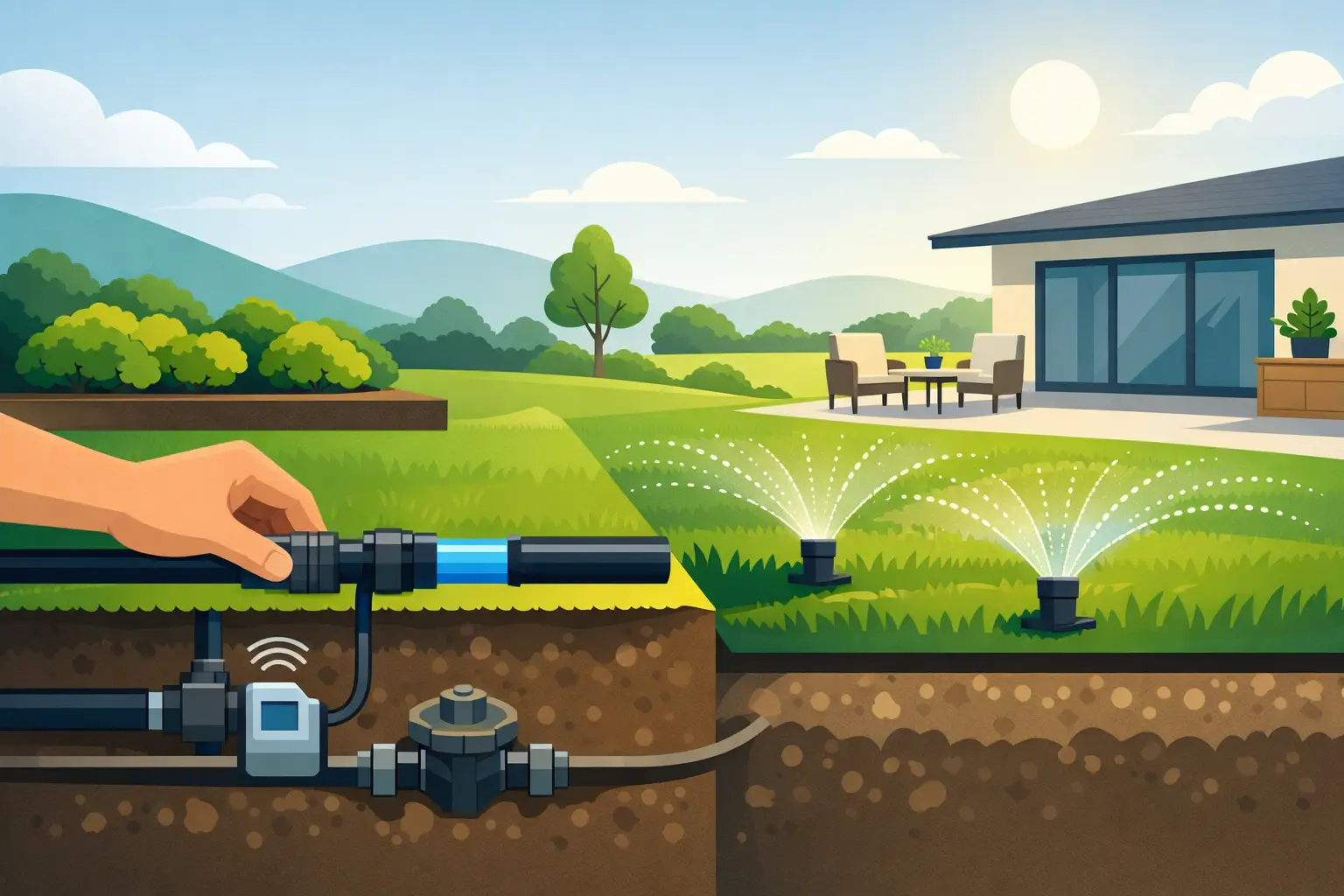
A lawn irrigation retrofit is often the practical answer when your existing sprinkler system still has useful parts but no longer delivers the coverage, efficiency, or convenience your lawn needs. You do not always need to start over. The right upgrades can correct dry patches, reduce overspray, automate watering, and help protect the investment already buried beneath your yard.
For Ottawa homeowners, that matters. Our hot, dry summer stretches can stress turf quickly, while changing weather conditions make fixed, manual watering schedules wasteful. A well-planned retrofit updates the parts of your system that are holding it back, without replacing components that are still doing their job reliably.
Signs Your Sprinkler System Needs an Upgrade
An aging irrigation system does not always fail all at once. More often, homeowners notice small frustrations that become more expensive over time: one section of lawn stays brown, sprinklers mist onto the driveway, a zone runs too long, or the controller needs constant adjustment.
Uneven coverage is one of the clearest signs. Lawns change after the original installation. Trees mature, gardens expand, patios are added, and sun exposure shifts. Sprinkler heads that once covered an open lawn may now be blocked by shrubs or positioned too low for the landscape around them.
High water use is another warning. If your system runs on a fixed schedule regardless of rainfall, temperature, or soil conditions, it may be applying more water than the lawn can absorb. That can create runoff, encourage shallow roots, and leave you paying to water sidewalks and hard surfaces.
You may also need an upgrade if your controller is difficult to use, zones no longer operate consistently, heads fail repeatedly, or you have no clear record of what each valve controls. These issues do not necessarily mean the entire system is finished. They mean it is time for a professional assessment before a minor repair turns into recurring trouble.
What a Lawn Irrigation Retrofit Can Improve
A retrofit should begin with how your property uses water today, not with a one-size-fits-all equipment list. A technician can inspect the controller, valves, wiring, sprinkler heads, piping, pressure, and zone layout to identify what can remain and what should change.
Better coverage where the lawn needs it
Modern spray heads and rotary nozzles can improve distribution across established lawns, narrow side yards, and irregularly shaped areas. The goal is not simply to put out more water. It is to apply water evenly enough that each part of the lawn receives what it needs during a normal watering cycle.
Head placement and nozzle selection matter. A sprinkler head that is too low, tilted, clogged, or mismatched with the rest of its zone can cause obvious dry spots and wet spots. Raising heads to the correct grade, replacing damaged units, and matching precipitation rates can make a noticeable difference in lawn appearance.
Some yards benefit from separating areas with different needs. A sunny front lawn, shaded backyard, garden bed, and newly seeded area should not always be watered on the same schedule. Adding or revising zones gives the system more control, although it may require additional valve capacity, wiring, or pipe work. The right approach depends on the existing layout and the condition of the infrastructure.
Smarter scheduling and less water waste
Replacing an older timer with a smart irrigation controller is one of the most valuable upgrades for many homeowners. Smart controllers can adjust schedules based on local weather conditions and seasonal demand, helping avoid unnecessary watering after rain or during cooler periods.
That does not mean a smart controller solves every problem by itself. It cannot compensate for broken heads, poor coverage, leaks, or a zone that is improperly designed. It works best after the mechanical side of the system has been inspected and tuned for efficient performance.
Rain sensors and soil-aware scheduling can add another layer of protection. Rather than relying on a timer that runs because it is Tuesday at 5 a.m., your system can respond more appropriately to actual conditions. The result is a healthier lawn with less guesswork and fewer trips outside to change settings.
Reliable components and easier maintenance
A retrofit can also focus on the hidden components that make dependable operation possible. Worn valves may not close completely, low-voltage wiring can become unreliable, and older backflow components may require attention. These are not the most visible improvements, but they can prevent frustrating zone failures and water loss.
Upgrading selected parts is often more cost-effective than waiting for an emergency repair in the middle of summer. It also gives your service provider a clearer picture of the system before spring startup and fall winterization. A system that has been properly mapped, adjusted, and maintained is easier to protect through Ottawa’s freeze-thaw cycle.
Retrofit or Full Replacement: Which Is Right?
A lawn irrigation retrofit makes sense when the main pipe network is sound, the existing zones are workable, and the issues are concentrated in components such as heads, nozzles, valves, wiring, or controls. In these cases, upgrading targeted areas can improve performance without the disruption and cost of a full replacement.
Full replacement may be the better long-term choice if there are widespread underground leaks, severely undersized piping, frequent failures in multiple zones, poor original design, or major landscaping changes that make the current layout impractical. It can also be appropriate when the system has been patched repeatedly and repair costs are adding up without resolving the underlying issue.
The honest answer is that it depends on the condition of your system and your plans for the property. If you expect to install a pool, add a large patio, rebuild gardens, or regrade the yard soon, it may be wise to coordinate the irrigation work with those projects. Designing around future changes prevents unnecessary rework.
A professional inspection should provide a clear recommendation, explain the options, and distinguish between repairs you need now and enhancements you can plan for later. Homeowners deserve a practical scope of work, not pressure to replace equipment that still has service life left.
The Right Time to Plan Your Upgrade
Spring is a popular time to assess sprinkler performance because startup reveals winter damage, stuck valves, broken heads, and coverage problems. Early summer is also a good time to make adjustments before prolonged heat puts stress on the lawn.
Fall can be an equally smart planning window. Once watering demand drops, homeowners can evaluate the season’s trouble spots and schedule improvements before the next spring rush. Any system in Ottawa should also be professionally winterized to remove water from vulnerable lines and components before freezing temperatures arrive.
If you are renovating landscaping, do not wait until the sod is down and the garden beds are finished. Irrigation planning should happen early enough to protect new work and position heads correctly around future plantings, walkways, and outdoor living areas.
What Professional Retrofit Work Looks Like
Good retrofit work is precise. It starts with testing each zone, checking pressure and flow, identifying coverage gaps, and reviewing how the controller is programmed. From there, the work may be as focused as replacing nozzles and adding a rain sensor, or it may involve new zones, valve repairs, controller upgrades, and targeted pipe modifications.
The finished system should be easy to operate and built around the way your yard actually performs. You should know where the zones are, what the controller settings mean, and when to call for seasonal service. At Advanced Irrigation, the goal is straightforward: reliable watering, efficient use of water, and a lawn that looks consistently cared for without becoming another weekly chore.
A greener lawn does not require blindly adding more water. It requires putting the right amount in the right place at the right time. If your sprinkler system is falling short, a thoughtful retrofit can give your yard the dependable performance it has been missing.