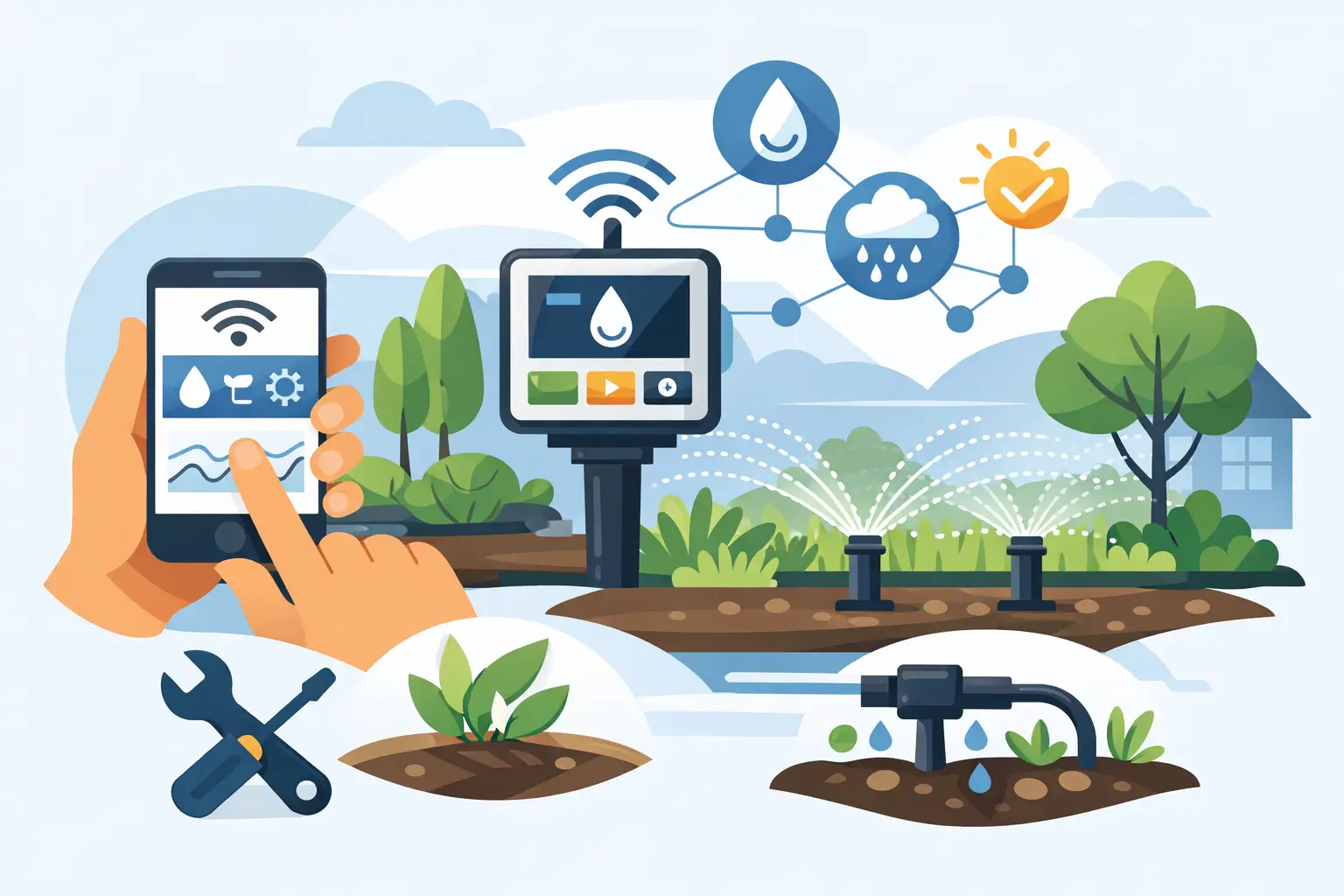
A smart irrigation system pays off fast when your lawn has dry patches in one area, runoff in another, and a watering routine that depends too much on memory and spare time. If you are wondering how to install smart irrigation system components the right way, the real goal is not just getting sprinklers in the ground. It is building a system that waters evenly, saves water, and holds up season after season.
For most homeowners, the installation itself is only part of the job. The layout, water pressure, controller setup, and seasonal protection matter just as much as the hardware. A smart system can absolutely make lawn care easier, but only when it is planned properly from the start.
Before You Install a Smart Irrigation System
The first step is understanding your property, not buying parts. A good smart irrigation setup is based on zone design, sun exposure, plant needs, soil conditions, and available water pressure. If you skip that and jump straight to heads and controllers, you can end up with poor coverage and a system that never performs the way it should.
Start by mapping your lawn and planting areas. Separate front yard, backyard, garden beds, narrow side yards, and any areas with different sun or slope conditions. Turf in full sun will usually need different watering than shaded beds or foundation plantings. Smart irrigation works best when each zone has a clear purpose.
You also need to confirm your water source and pressure. Every sprinkler head and drip zone has a flow demand, and the system has to be sized around what your home can supply. Too many heads on one zone leads to weak spray, uneven coverage, and poor performance. This is one of the most common installation mistakes homeowners make.
The Main Parts You Will Need
Most residential smart irrigation systems include a backflow preventer, shutoff valve, mainline piping, zone valves, lateral lines, sprinkler heads or drip emitters, and a smart controller. Many systems also include a rain sensor or weather-based controller features that automatically adjust watering based on local conditions.
The controller is what makes the system smart, but it should not be treated like the whole system. Smart scheduling only helps when the zones themselves are designed correctly. If the coverage is off, the controller cannot fix dry strips, overspray onto pavement, or pooling in low spots.
In many yards, the best result comes from combining spray heads or rotors for lawn areas with drip irrigation for gardens and shrubs. That approach gives better water efficiency and more control. It also keeps you from overwatering planting beds just to keep the grass green.
How to Install Smart Irrigation System Step by Step
Installation starts with layout marking. Once the property is mapped, mark trench lines, valve box locations, sprinkler head positions, and controller placement. Head spacing matters. Sprinklers should generally be arranged for head-to-head coverage so one head throws water to the next. That is what creates even distribution across the lawn.
Next comes trenching. Pipes need to be buried deep enough to protect them from damage while still allowing service access. In colder climates, depth and system winterization planning matter even more. You also want clean routing that avoids unnecessary fittings, because every extra connection adds potential leak points.
After trenching, install the mainline and manifold. The manifold connects your zone valves and controls how water is distributed. Valve placement should be practical for future service, not hidden in the most inconvenient corner of the yard. A system that is hard to access is harder to maintain and repair later.
From there, run lateral lines to each sprinkler or drip zone. Install the correct heads for each area rather than using one type everywhere. Fixed spray heads work well for smaller, regular spaces. Rotors are better for larger turf sections. Drip lines are ideal for beds, trees, and shrubs where slow, targeted watering is more effective.
Once the piping and heads are installed, wire the valves back to the smart controller. The controller should be mounted in a protected location with reliable power and good access for programming. Many modern smart controllers also connect to an app, which gives homeowners easier control over schedules, seasonal changes, and watering adjustments.
Before burying everything completely, test the system. Flush the lines first to remove dirt and debris, then install nozzles and run each zone. Check for leaks, weak pressure, misting, blocked spray patterns, and overlap issues. This is the stage where adjustments make the biggest difference.
Smart Controller Setup Matters More Than Most People Think
A lot of homeowners assume that once the controller is connected, the system is done. It is not. Smart irrigation needs correct programming to deliver real water savings and a healthier lawn.
Set each zone based on what it actually waters. Lawn areas, shrub beds, and shaded sections should not all run on the same timing. Soil type also matters. Clay soil absorbs water differently than sandy soil, so runtimes and cycle settings should reflect that. On sloped properties, shorter cycle-and-soak watering periods can help prevent runoff.
Weather-based adjustments are one of the biggest advantages of a smart system. Instead of watering on a fixed schedule no matter what, the controller can reduce or skip watering after rainfall or during cooler periods. That saves water and helps prevent overwatering, which is just as damaging as underwatering in many lawns.
Common Problems During Installation
The biggest issue is poor design, not bad equipment. Even high-quality components will underperform if the zones are overloaded or the head spacing is wrong. Another frequent problem is mixing different head types in the same zone. That usually creates uneven precipitation and inconsistent watering.
Controller settings are another weak point. If a smart controller is installed but never properly configured, it becomes an expensive timer. The technology only works when the inputs and schedules match the yard.
There is also the issue of seasonal protection. In colder regions, irrigation lines need proper winterization to prevent freeze damage. Homeowners planning a new system should think beyond the install day and consider how the system will be serviced each spring and fall.
DIY vs Professional Installation
If you have a small yard, strong mechanical skills, and time to plan carefully, a DIY installation is possible. But there is a difference between getting water to come out of sprinklers and building a reliable system that performs well for years. Smart irrigation is part plumbing, part layout design, part controller programming, and part long-term property care.
Professional installation usually makes the most sense when the property has multiple lawn areas, mixed planting zones, grading challenges, or existing irrigation issues. It also helps when you want the system sized correctly the first time and supported with seasonal service. That is often where the long-term value really shows up.
For Ottawa homeowners, local experience matters because climate, soil behavior, and winter conditions affect both installation choices and maintenance planning. A company like Advanced Irrigation brings that practical, on-the-ground knowledge to the design and setup process, which can prevent expensive mistakes later.
What a Good Finished System Should Do
A properly installed smart irrigation system should water evenly without constant adjustment. It should reduce waste, respond to weather conditions, and make routine lawn care easier. You should not see chronic dry spots, puddling, or spray hitting sidewalks more than your lawn.
Just as important, the system should be easy to maintain. Valves should be accessible. Zones should be clearly organized. The controller should be simple enough to adjust when seasons change. A good installation does not only look clean on day one. It stays serviceable over time.
The Best Way to Think About Installation
If you are planning how to install smart irrigation system equipment at your home, think bigger than parts and trench lines. The best systems are designed around results: healthier grass, less wasted water, fewer headaches, and better protection through every season. When the design is right, the technology finally does what it is supposed to do.
A greener lawn is not really about watering more. It is about watering with purpose, and setting up a system that does the job right even when you are busy.