A lawn can look dry and stressed even when the sprinkler system runs every day. It can also receive far more water than it needs after a stretch of rain. The best smart controller results come from replacing guesswork with irrigation schedules that respond to real conditions – helping Ottawa homeowners maintain healthier grass with less waste and less time spent adjusting settings.
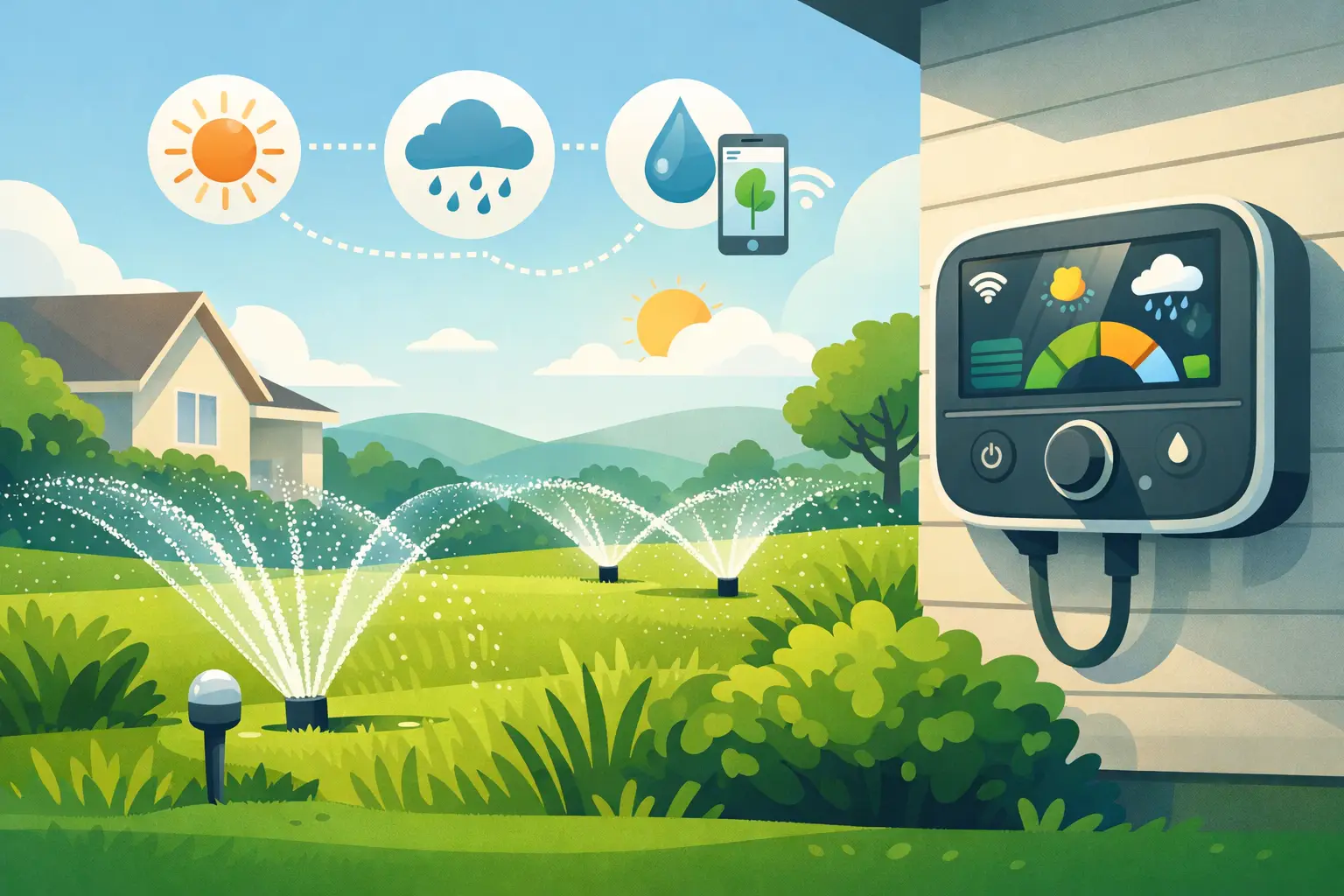
A smart irrigation controller does more than turn zones on and off at a set time. When properly installed and programmed, it uses local weather information, seasonal conditions, and the needs of each watering zone to make better decisions. That means your lawn is watered when it needs moisture, not simply because the calendar says it is time to run.
What Smart Controller Results Actually Look Like
The most noticeable result is usually a more consistent lawn. Instead of brown areas beside lush, overwatered patches, a well-designed system gives each section of the property a schedule that matches its conditions. Sunny turf, shaded areas, garden beds, and narrow strips along a driveway often have very different watering needs. A smart controller can account for those differences when the system zones are designed correctly.
Homeowners also see a reduction in unnecessary watering. Traditional controllers commonly run on the same fixed schedule through changing weather. A smart controller can reduce run times after rainfall, adjust for cooler periods, and increase watering only when warmer, drier conditions call for it. The goal is not to water as little as possible. The goal is to water accurately.
Convenience is another practical benefit. Many smart controllers allow homeowners to review schedules and make adjustments from a phone or tablet. If you are away, you can check whether the system is operating as expected without standing in the garage. If conditions change, adjustments can be made without resetting every zone manually.
The result should be simple: a dependable irrigation system that supports curb appeal while using water more responsibly.
Smart Controller Results Depend on Proper Setup
A smart controller is an excellent upgrade, but it cannot correct every problem in an older sprinkler system. If a rotor is not rotating, a spray head is blocked, a valve is leaking, or coverage is uneven, advanced programming alone will not create an even lawn. The controller needs a sound system behind it.
Each Zone Needs a Clear Purpose
The strongest results begin with properly separated irrigation zones. Turf in full sun typically needs a different schedule than shaded turf or flower beds. Areas with sprays should not usually share a zone with rotors because they apply water at different rates. When those components are grouped together, one part of the zone is likely to be overwatered or underwatered.
A professional review identifies how each area is currently being watered and whether the zones make sense for the property. On a new installation, zoning should be planned before the controller is programmed. On an existing system, an upgrade may include repairing heads, improving coverage, or adjusting zones before adding smart technology.
Run Time Matters as Much as Schedule Frequency
Watering for a long period is not always better. Heavy clay soils can absorb water slowly, while sloped areas may lose water to runoff if a zone runs too long at once. In these situations, shorter watering cycles with soak periods between them can deliver better results. This approach allows water to move into the root zone rather than across the sidewalk or driveway.
The right run time also depends on the sprinkler type and nozzle output. That is why a controller should be programmed based on the actual system, not a generic schedule copied from another property.
Weather Data Is Useful, Not Magic
Many smart controllers use weather-based adjustments, which can be very effective. However, weather data is only one part of the picture. A protected backyard may stay damp longer than an open front lawn. A newly seeded area needs different care than established turf. During unusually hot, windy weather, a homeowner may need to monitor the lawn and make temporary adjustments.
Smart technology provides better information and automatic adjustments, but an experienced eye still matters. The best approach combines controller data with proper system design and seasonal service.
Where Homeowners Notice the Difference
A smart controller can make lawn care feel far less demanding. Rather than changing the entire schedule every time the weather shifts, homeowners have a system that adjusts with the season. This is especially helpful during Ottawa summers, when a cool rainy week can quickly be followed by hot, dry conditions.
Water savings are often another meaningful outcome. Avoiding irrigation during or after rainfall reduces waste, and more precise schedules prevent zones from operating longer than necessary. Actual savings vary by property, soil, plant material, and the condition of the existing system. A home with a well-programmed controller and efficient heads may see a smaller change than a property that has been watering on a fixed daily schedule.
There is also a long-term benefit for the lawn. Consistent watering supports deeper root development and helps turf handle periods of heat and limited rainfall more effectively. Overwatering, on the other hand, can create shallow roots, encourage disease, and leave grass dependent on frequent irrigation. A smart controller helps create a more balanced pattern, provided the schedule is set for the property rather than left at a default setting.
A Smart Controller Is Not a Set-It-and-Forget-It System
Automatic adjustments reduce day-to-day effort, but irrigation systems still require regular attention. Sprinkler heads can be damaged by lawn equipment, soil can settle around components, and nozzles can become clogged. A small leak or misaligned head can waste significant water before it is noticed.
Seasonal service remains essential in a climate with freezing temperatures. Before winter, the irrigation lines need to be properly winterized to protect pipes, valves, and other components from freeze damage. In spring, a professional startup allows the system to be inspected, tested, and adjusted before the lawn enters its active growing season.
Smart controllers should also be checked during these visits. Settings may need to be updated after landscape changes, new plantings, repairs, or a change in how a yard is used. A patio addition, mature tree canopy, or newly installed garden bed can all change the watering needs of nearby zones.
When an Upgrade Makes Sense
A smart controller is often a practical upgrade for homeowners with an older timer that requires frequent manual changes. It is also a strong fit for busy families, frequent travelers, and property owners who want better control over water use without constantly managing the system.
For some homes, replacing the controller is the first step. For others, the better investment is a system review that includes repairs and coverage adjustments at the same time. If the irrigation system has frequent pressure problems, leaking valves, uneven spray patterns, or zones that do not operate correctly, those issues should be addressed first.
The right solution depends on the condition of the system and the goals for the property. A homeowner focused on reducing waste may prioritize weather-based scheduling and rain shutoff features. Someone dealing with dry spots may need coverage corrections before controller programming can make a real difference.
Professional Programming Makes the Technology Work
The controller itself is only one part of an efficient irrigation system. The quality of the installation, the layout of the zones, the condition of the sprinkler heads, and the accuracy of programming all affect performance.
Advanced Irrigation approaches smart upgrades as part of the whole system. That means looking beyond the controller screen to assess coverage, water delivery, zone design, and seasonal protection. With more than 30 years of hands-on irrigation experience, the focus is on practical improvements that deliver reliable results, not adding technology for its own sake.
A well-programmed smart controller should make your lawn easier to care for, not harder to understand. If your grass is uneven, your current schedule feels wasteful, or your existing timer no longer matches the needs of your property, a professional assessment can show where a targeted upgrade will have the greatest effect.
The healthiest lawn is not the one watered most often. It is the one receiving the right amount of water, in the right places, at the right time – with a system you can rely on through every season.