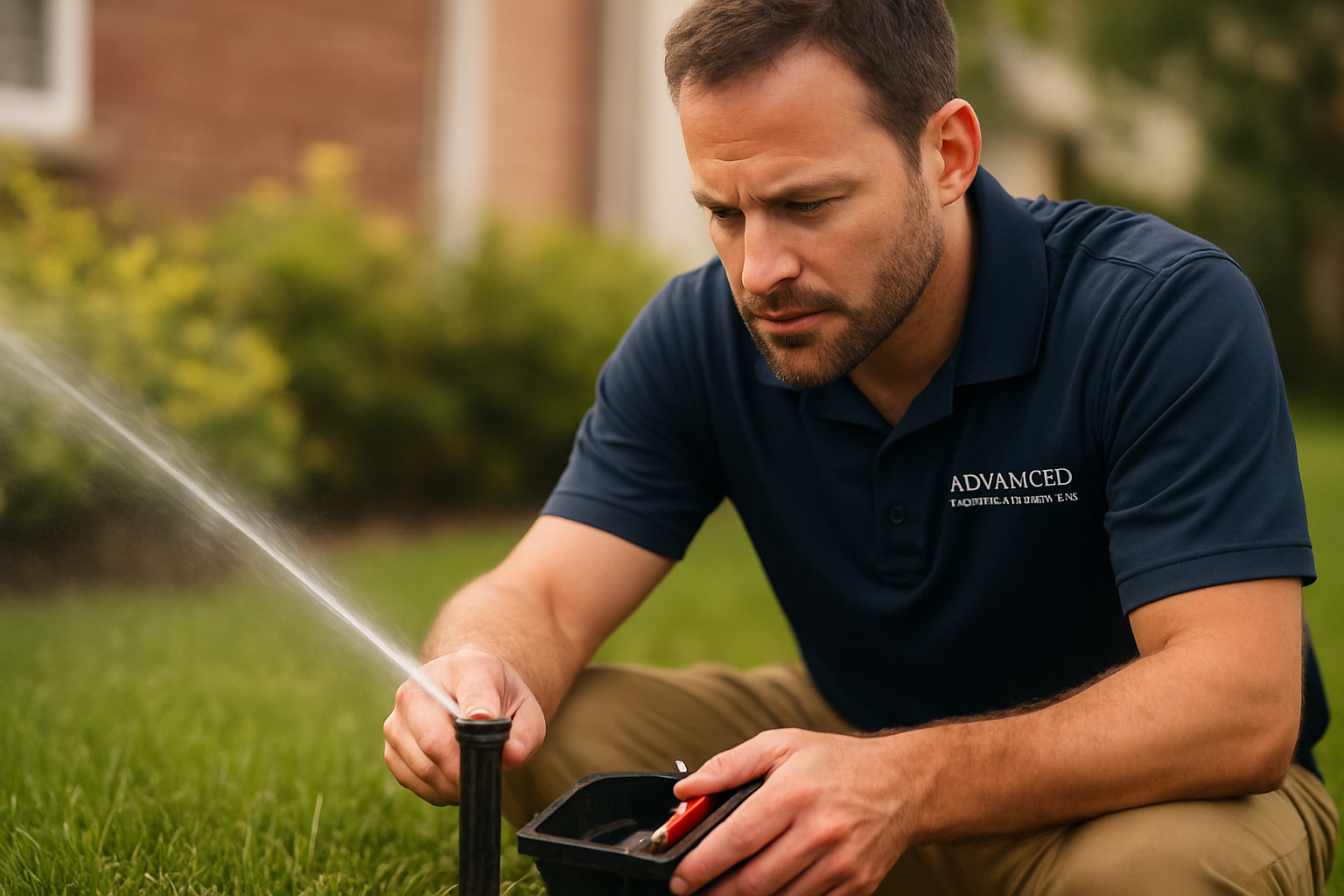
Is your lawn trying to tell you something? A practical guide to sprinkler system repair in Ottawa
Your irrigation system is out of sight but not out of mind—until something fails. In Ottawa’s freeze-thaw climate, a small leak or misadjusted head can escalate into costly damage, wasted water, or even frozen lines. This guide from Advanced Irrigation Systems (serving Ottawa, Ontario, Canada for 20+ years) lays out the top 10 signs your sprinkler system needs repair and gives clear priorities: safety, freeze-risk mitigation, and cost-saving quick fixes you can use today.
Why early detection and repair matter in Ottawa
Ottawa homeowners face a unique combination of long winters, late springs, and municipal water restrictions during dry periods. Small irrigation problems can become expensive fast—frozen pipes, damaged valves, or unmanaged leaks waste water and can destabilize soil around foundations or sidewalks. Detecting problems early not only reduces repair bills but also prevents safety hazards and conserves water.
Key local risks:
- Freeze damage: Temperatures can drop well below -20°C in winter—undrained water will expand and rupture pipes, manifolds and backflow preventers.
- Thaw-related washouts: Spring melt can reveal or worsen leaks and erosion.
- Seasonal pressure changes: Municipal supply and backflow devices can cause low pressure or erratic zone performance.
The top 10 signs your sprinkler system needs repair
Below are the most reliable symptoms—both visible and hidden—that indicate a system problem. Each sign includes what it likely means, the urgency, and practical quick fixes or next steps.
1. Uneven watering, brown patches, or overwatered areas
Symptom: Some lawn areas are brown and dry while others are soggy or have fungus growth.
Likely causes: Broken or clogged nozzles, misaligned heads, low pressure, or zone valve problems. Uneven coverage accelerates turf stress and can hide root disease.
Urgency: Medium. Fixes: Check and clean nozzles, raise/lower heads to match grade, run a single zone and observe spray pattern. If pressure is low across all zones, suspect a mainline leak or pressure regulator issue.
2. Pools of water, soggy soil or visible leaks
Symptom: Standing water near heads, trenches, or shady areas; soggy soil where it shouldn’t be.
Likely causes: Lateral line or fitting leak, broken head, failed solenoid valve diaphragm.
Urgency: High—especially in spring thaw. Fixes: Turn off the controller/controller zone, manually shut off the mainline if possible, and dig to locate the leak. Short-term: reduce run times to avoid further saturation. Long-term: line/connection repair or valve diaphragm replacement by a technician.
3. Watery or muddy basements, foundation seepage after runs
Symptom: Wet basement walls, dampness after irrigation cycles, erosion near foundation.
Likely causes: Leak on a line running near the house, misdirected spray, or broken mainline under grade causing subsurface seepage.
Urgency: Very high. Fixes: Stop irrigation immediately and call a professional. Subsurface leaks can undermine foundations and are a structural risk.
4. High water bills with no obvious cause
Symptom: Noticeable month-over-month increase in water consumption during shoulder seasons.
Likely causes: Hidden leaks in mainline/laterals, controller clock stuck in manual mode, or a broken valve not closing.
Urgency: High—costly and wasteful. Fixes: Review controller run schedules, check for continuous flow at the meter, and perform a visual check for wet spots. If you suspect hidden leaks, schedule professional leak detection.
5. Zone won’t start or won’t shut off
Symptom: A zone won’t energize when commanded, or it stays running even when the controller says off.
Likely causes: Failed solenoid, zone valve battery (for wireless actuators), wiring faults, or stuck valve diaphragm.
Urgency: Medium to high depending on water loss. Fixes: Perform basic sprinkler system troubleshooting—inspect the controller for error codes, test the zone with a multimeter for 24VAC at the solenoid, and try swapping a known-good solenoid. If wiring or valve replacement is needed, call a licensed technician.
6. Unusual noises: hissing, hammering, or gurgling
Symptom: Persistent hissing near valves or gurgling in piping; water hammer (loud banging) when valves close.
Likely causes: High system pressure, air in lines, failing pressure regulator, or partial blockages causing cavitation.
Urgency: Medium. Fixes: Check system pressure, install or adjust a pressure regulator (PRV) if pressure is >80 psi (use safe thresholds), and bleed lines to remove trapped air. For water hammer, consider an arrester or valve replacement.
7. Visible frost damage, cracked pipes or displaced heads after winter
Symptom: Cracked PVC, split fittings, or heads forced out of sockets after thaw.
Likely causes: Incomplete winterization/blowout or water trapped in lines before freeze.
Urgency: High—freeze damage can be extensive. Fixes: Review winterization procedure—industry-standard blowout at roughly 50–80 psi (3.5–5.5 bar) and verify all zones were drained. Damaged piping or heads should be replaced; schedule professional winterization and fallization services next season.
8. Controller failures, inconsistent scheduling or unexpected cycles
Symptom: Controller display blank, programs lost, or unexpected manual cycles start.
Likely causes: Power surges, transformer failure, loose wiring or water intrusion in the controller box.
Urgency: Medium. Fixes: Check transformer at the breaker, ensure controller box seals are intact, and replace batteries (if present). For persistent faults, electronics repair or replacement may be required.
9. Backflow device leaks or failure to pass testing
Symptom: Water leaking from backflow assembly, or failure on annual testing.
Likely causes: Worn seals, freeze damage, or improper installation. Backflow assemblies protect potable water—failure is both a health and regulatory issue.
Urgency: Very high. Fixes: A certified technician must repair or replace backflow devices and re-test. In Ottawa, compliance with municipal backflow requirements is mandatory for many properties.
10. Rapidly eroding soil, sinkholes or sudden depressions
Symptom: Soil loss around lines, sinkage near heads, or new gullies after irrigation.
Likely causes: Major underground leak on mainline or lateral; possibly hidden pipe failure under hardscape.
Urgency: Critical. Fixes: Shut off the irrigation water and contact a professional immediately. These issues can threaten structures, sidewalks and create safety hazards.
How to perform basic sprinkler system troubleshooting
Sprinkler system troubleshooting is a structured process: observe, isolate, test, and repair. Below is a simple workflow Ottawa homeowners can use as a first pass.
Step-by-step inspection checklist
- Controller: Verify program schedule and current time; check for error indicators or battery failures.
- Run each zone manually: Document which zones fail, run slowly to watch head operation and pressure.
- Visual sweep: Look for wet areas, soggy soil, or heads misaligned. Inspect visible piping and the valve box for standing water or odor.
- Pressure check: If you suspect pressure issues, measure at an accessible test point or hire a tech for a full system pressure and flow test.
- Backflow check: Inspect for visible leaks or corrosion—if in doubt, book certified backflow testing.
This is a practical first step for do-it-yourselfers, but remember that electrical tests, compressed-air blowouts and buried pipe repairs have safety and warranty implications. For complex problems, call trained professionals—especially in Ottawa’s climate where freeze damage can mask the original fault.
When to DIY and when to call Advanced Irrigation Systems
Knowing your limits saves time and money. Use these guidelines to decide:
- Good for DIY: Replacing nozzles, cleaning filters, adjusting heads, resetting controller programs, and swapping spray nozzles.
- Call a pro: Continuous leaks, mainline breaks, backflow device repairs or tests, electrical wiring faults, freeze-damaged piping, and any excavation near foundations or municipal services.
For homeowners in Ottawa, hiring an experienced local company like Advanced Irrigation Systems is often the most cost-effective choice when the problem risks winter damage or structural issues. We provide targeted sprinkler system repair, spring openings, fall winterization and emergency service with trained technicians who know local codes and freeze mitigation strategies.
Preventive maintenance: save money and reduce freeze risk
Regular maintenance reduces unexpected repairs and conserves water. Recommended seasonal actions for Ottawa homeowners:
Spring
- Professional spring start-up: check valves, pressurize, calibrate heads and check for winter damage.
- Verify schedules and install a rain sensor or soil moisture sensor to avoid unnecessary cycles.
Summer
- Bi-weekly visual checks: look for leaks and uneven coverage.
- Adjust run times for evapotranspiration—Ottawa summers can require less frequent, deeper watering.
Fall
- Fall winterization (blowout) by a trained technician: removing all water from lines to prevent freeze damage.
- Schedule backflow testing and any necessary repairs before freeze-up.
Cost considerations and quick savings tips
Repair costs vary widely: a nozzle swap is inexpensive (under $50), while mainline excavations or backflow assembly replacements can run into the hundreds or thousands. Prioritize repairs that prevent structural or freeze damage.
Quick, cost-saving tips:
- Replace worn nozzles and clean filters to restore even coverage and lower run time.
- Install a smart controller or rain sensor to reduce wasted cycles and comply with municipal watering bylaws.
- Address leaks early—repairing a small lateral leak is far cheaper than excavation after months of erosion.
Conclusion — Clear signs deserve clear action
Ottawa’s climate makes timely sprinkler system repair not just a matter of lawn aesthetics—it’s a safety and financial priority. Use this checklist to spot problems early: uneven watering, standing water, unusual noises, frozen or cracked components, controller faults, and backflow failures are all red flags. Basic sprinkler system troubleshooting can catch many issues, but for leaks, backflow work, electrical faults or freeze damage, call a licensed professional.
Advanced Irrigation Systems has over 20 years of hands-on experience serving Ottawa, Ontario, Canada. If you spot any of these signs, contact us for fast, local sprinkler system repair, spring openings, fall winterization, and maintenance tailored to our climate.
Act now to protect your property and conserve water. For trusted sprinkler repair Ottawa homeowners rely on, get a free inspection and estimate from Advanced Irrigation Systems—don’t wait for seasonal freeze or unexpected water damage.
This article was generated by AI using AIBlogPress.