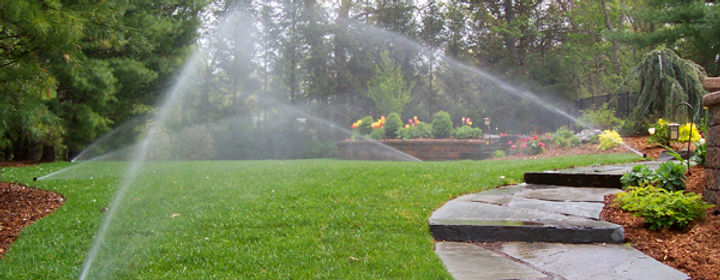
If you have an automatic sprinkler system, you may have noticed that it sometimes runs even after a heavy rainfall. This can waste water, leave your lawn too wet, and increase unnecessary watering.
A rain sensor can help solve this problem by temporarily stopping your irrigation system when enough rain has fallen.
For homeowners in Ottawa and surrounding areas, installing or maintaining a rain sensor is a simple way to improve irrigation efficiency and make lawn watering more convenient.
In this guide, we’ll explain how sprinkler rain sensors work, their benefits, and how to tell if yours needs attention.
What Is a Sprinkler System Rain Sensor?
A rain sensor is a device connected to your irrigation controller that detects rainfall and temporarily prevents your sprinkler system from running when watering isn’t necessary.
Without a functioning rain sensor, your sprinkler controller may follow its programmed schedule regardless of recent weather conditions.
For example, your sprinklers could turn on early in the morning even though your lawn received substantial rainfall the previous evening.
A properly installed and configured rain sensor helps your irrigation system respond to actual weather conditions rather than relying entirely on a fixed schedule.
How Does a Rain Sensor Work?
Most residential irrigation rain sensors use one of two common methods to detect rainfall.
1. Water-Absorbing Discs
Many rain sensors contain small discs that absorb moisture when it rains.
As the discs become wet, they expand and activate a switch that signals the irrigation controller to suspend scheduled watering.
Once the discs dry sufficiently, the sensor resets and allows the normal watering schedule to resume.
The amount of rain required to activate the sensor depends on its design and settings.
2. Electronic Rain Sensors
Some sensors use electronic components to detect rainfall or moisture.
Depending on the model, these devices can communicate with an irrigation controller to delay watering after rain.
Different models have different features, so it’s important to follow the manufacturer’s installation and setup instructions.
Five Benefits of Installing a Rain Sensor
1. Reduce Unnecessary Watering
One of the biggest advantages of a rain sensor is that it helps prevent your sprinkler system from watering when rainfall has already provided sufficient moisture.
This can reduce unnecessary water consumption throughout the irrigation season.
2. Help Prevent Overwatering
Too much water can leave your lawn soggy and contribute to drainage problems.
When the soil is already saturated, additional irrigation may provide little benefit.
A rain sensor helps prevent scheduled watering after rainfall, although it doesn’t measure every condition affecting soil moisture.
3. Reduce Water Runoff
If your lawn is already wet, additional watering can run off onto sidewalks, driveways, and other hard surfaces.
By suspending irrigation after sufficient rainfall, a rain sensor can help reduce this waste.
4. Make Automatic Irrigation More Convenient
Without a rain sensor, homeowners may need to manually adjust their irrigation controller whenever the weather changes.
A functioning rain sensor can automatically suspend watering when its activation conditions are met.
This makes an automatic sprinkler system easier to manage during Ottawa’s changing weather.
5. Support More Efficient Lawn Care
A healthy lawn needs the right amount of water, not simply more water.
Combining an appropriate irrigation schedule with a properly configured rain sensor can help maintain lawn health while avoiding unnecessary watering.
Where Should a Rain Sensor Be Installed?
The location of a rain sensor affects how accurately it detects rainfall.
In most cases, it should be installed outdoors in a location where it can receive natural rainfall without being obstructed.
A suitable location should generally:
- Allow rain to reach the sensor.
- Avoid interference from roof overhangs and gutters.
- Avoid being positioned directly beneath trees or other obstructions.
- Follow the manufacturer’s recommended mounting instructions.
- Allow convenient access for inspection and maintenance.
A sensor installed beneath a roof or in a sheltered location may not detect rainfall accurately.
Likewise, a sensor placed where water from a downspout repeatedly splashes onto it may respond differently than intended.
Correct placement is essential for reliable operation.
Signs Your Rain Sensor May Not Be Working
If your sprinkler system continues watering during or immediately after rainfall, your rain sensor may need inspection.
However, this doesn’t automatically mean the sensor is defective. Some sensors require a certain amount of rain before they activate, and their response depends on the model and settings.
Here are several things to check.
Your Sprinklers Run After Heavy Rain
Check the sensor settings and confirm that the sensor is connected properly to the irrigation controller.
The controller may also have a rain-delay feature that operates independently of a physical sensor.
Your Sprinklers Never Turn On After the Rain Stops
A sensor that remains wet or isn’t resetting properly may continue suspending irrigation.
Check the manufacturer’s instructions for the expected reset behaviour.
Your Irrigation Controller Shows a Sensor Warning
Some controllers display a warning or indicator when a connected sensor is preventing irrigation.
Consult the controller manual to determine what the indicator means for your particular model.
Your Rain Sensor Appears Damaged
Exposure to the elements can eventually affect outdoor equipment.
Cracked housing, damaged wiring, loose connections, or an improperly mounted sensor may require repair or replacement.
If you’re unsure how to test the sensor safely, an irrigation technician can inspect the system.
Can You Add a Rain Sensor to an Existing Sprinkler System?
In many cases, yes.
A rain sensor can often be added to an existing residential irrigation system, provided the controller supports a compatible sensor or an appropriate connection method.
Before installing one, it’s important to check:
- Your irrigation controller’s compatibility.
- The sensor manufacturer’s requirements.
- Existing controller wiring.
- The correct sensor settings.
- The best mounting location.
Some modern irrigation controllers also support weather-based adjustments or smart irrigation features.
The best option depends on your existing equipment and how you want your sprinkler system to operate.
Rain Sensors and Ottawa’s Changing Weather
Ottawa homeowners experience a wide range of weather conditions throughout the growing season.
Rainfall can vary significantly from one week to another, making a fixed watering schedule less effective when conditions change.
A rain sensor helps your sprinkler system respond to rainfall, but it isn’t a complete replacement for proper irrigation scheduling.
Soil type, lawn conditions, drainage, temperature, and the amount of recent rainfall all influence how much additional watering your grass needs.
For the best results, combine a functioning rain sensor with an appropriate watering schedule and regular irrigation system maintenance.
Important: A rain sensor generally detects rainfall rather than measuring moisture throughout your lawn’s root zone. Your lawn may still need watering after a light shower, depending on soil conditions and recent weather.
Should You Repair or Replace Your Rain Sensor?
If your rain sensor isn’t working correctly, replacement isn’t always necessary.
The problem could be caused by incorrect settings, disconnected wiring, poor placement, or a controller configuration issue.
An inspection can help determine whether the sensor can be adjusted or repaired, or whether a replacement is the better option.
If your existing irrigation controller is older, it may also be worth checking whether it supports newer sensor technology.
Choosing compatible equipment helps ensure that the sensor and controller work together properly.
Professional Irrigation Service in Ottawa
A rain sensor is a relatively small component, but it can make a meaningful difference in how efficiently your automatic sprinkler system operates.
Advanced Irrigation Systems provides residential irrigation services throughout Ottawa and surrounding areas, helping homeowners maintain reliable sprinkler systems and address irrigation problems.
Whether your rain sensor needs attention, your controller requires adjustment, or your sprinkler system needs general maintenance, professional service can help you get the most from your irrigation equipment.
Contact Advanced Irrigation Systems to arrange residential sprinkler system service in Ottawa and surrounding areas.
Visit AdvancedIrrigation.ca to learn more about our irrigation services.
Final Thoughts
An automatic sprinkler system should make lawn care easier without wasting water unnecessarily.
A properly installed and functioning rain sensor helps prevent irrigation from running when sufficient rainfall has occurred.
By checking your sensor, maintaining your controller, and adjusting your watering schedule to suit your lawn’s needs, you can improve irrigation efficiency throughout the season.
If your sprinkler system continues watering when it shouldn’t, it may be time to have the rain sensor and controller checked.