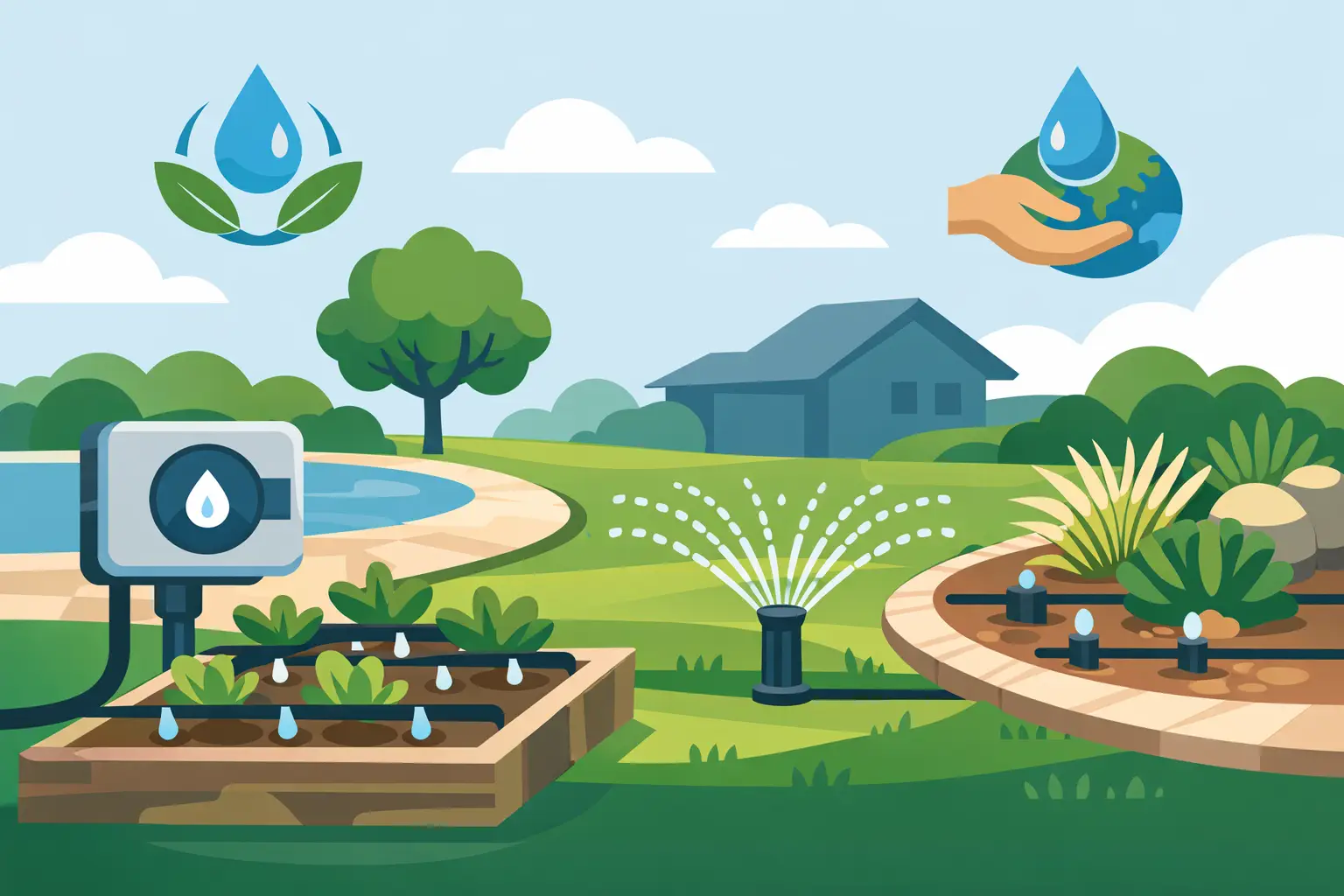
A lawn can look dry and stressed in one corner while the patio is getting sprayed every morning. That is usually not a watering-schedule problem. It is a design problem. The best backyard irrigation design tips start with matching water delivery to the way your property is actually laid out – lawn, gardens, slopes, shade, soil, and hard surfaces included.
A professionally designed system does more than eliminate the chore of dragging hoses around. It helps create even coverage, reduces waste, and gives your lawn and landscape the consistent moisture they need to stay healthy through changing weather.
Start With Zones, Not Sprinkler Heads
A backyard should not be treated as one large watering area. Grass, flower beds, shrubs, vegetable gardens, and newly planted trees all have different watering needs. Putting them on the same zone forces a compromise that rarely works well.
Lawns generally need deeper, less frequent watering than shallow-rooted annuals or containers. Garden beds may benefit from drip irrigation, while turf areas need properly spaced spray or rotary heads. Separating these areas into dedicated zones gives each part of the yard a more appropriate run time.
Sun exposure matters too. A full-sun lawn area dries much faster than grass under mature trees or along the north side of the home. If both areas run together, the sunny section may need more water while the shaded area becomes oversaturated. Separate zones provide better control and help prevent weak turf, disease pressure, and runoff.
Map Your Property Before Choosing Equipment
Good irrigation design begins with a site review, not a product list. Measure the lawn areas, identify gardens and hardscapes, note slopes, and locate water sources. It is also useful to consider where people walk, where children play, and where future landscaping may be added.
Sprinkler placement should account for every edge of the yard. Walkways, driveways, fences, decks, and the side of the house should not be watered simply because a head was installed too far away or aimed incorrectly. A precise layout keeps water on the landscape where it belongs.
Water pressure and available flow are equally important. A system that tries to operate too many heads at once may produce weak coverage, even if every sprinkler is high quality. Dividing the system into the right number of zones allows each head to perform as intended. This is one area where experienced design pays off, because proper spacing alone cannot overcome a flow problem.
Use Head-to-Head Coverage for Lawn Areas
For spray heads and rotors, water should generally reach from one sprinkler head to the next. This is commonly called head-to-head coverage. It helps compensate for the fact that the area closest to a sprinkler often receives more water than the outer edge of its spray pattern.
Missing this detail leads to the familiar striped or patchy lawn: green near the sprinklers and dry between them. Adding a single head later can sometimes improve an existing system, but a thoughtful design from the start avoids many of these weak spots.
Choose the Right Watering Method for Each Area
Spray heads are often a good fit for smaller turf zones and narrow lawn sections. Rotors are typically better for larger lawn areas because they distribute water over a greater distance at a slower rate. The right choice depends on the shape and size of the space, available pressure, and the soil’s ability to absorb water.
Drip irrigation is often the practical choice for garden beds, hedges, foundation plantings, and vegetable gardens. It applies water close to the root zone, helping reduce evaporation and limiting water on leaves. That can be especially helpful for densely planted beds where overhead spraying encourages weeds or creates damp conditions that plants do not need.
Avoid mixing spray heads and rotors on the same zone. They apply water at different rates, so one part of the yard will almost always be overwatered or underwatered. The same principle applies to mixing turf sprinklers with drip irrigation. Separate them for accurate scheduling.
Design for Slopes and Soil Conditions
Water moves quickly downhill, particularly on compacted clay soil or a steep grade. If sprinklers run too long on a slope, much of the water can become runoff before it reaches the root zone. The lawn may still look dry, while water is collecting at the bottom of the yard or flowing toward a driveway.
For sloped areas, shorter cycles with a pause in between are often more effective than one long watering cycle. This gives water time to soak in before the next cycle begins. Smart controllers can make this easier by programming cycle-and-soak watering automatically.
Soil type also affects run times. Sandy soil absorbs water quickly but dries out faster, so it may require shorter and more frequent watering. Clay soil holds moisture longer but absorbs it slowly, making runoff more likely. A system should be adjusted to the property rather than relying on a generic schedule.
Add Smart Controls That Respond to Weather
A modern controller can make a major difference in water use and lawn consistency. Smart irrigation controllers can adjust schedules based on local weather conditions, seasonal temperatures, and rainfall. Instead of running the same program through a cool, wet week and a hot, dry stretch, the system can make practical changes automatically.
Rain sensors are another worthwhile safeguard. They prevent unnecessary watering during or after rainfall, which protects both your lawn and your water bill. For homeowners who travel or simply do not want to monitor the forecast every day, smart controls bring real convenience without sacrificing control.
Smart technology still needs proper setup. A controller cannot correct poor sprinkler placement, damaged heads, or zones that combine plants with very different needs. It works best as part of a well-designed system that is inspected and adjusted over time.
Plan for Seasonal Service and Future Changes
In climates with freezing winters, irrigation design must include a plan for proper winterization. Underground lines, valves, and backflow components need protection before temperatures drop. A system that is installed neatly but cannot be serviced easily may become more expensive and frustrating to maintain.
Valve boxes should remain accessible, heads should sit at the correct finished grade, and controllers should be located where they can be reached and programmed easily. It is also wise to leave room for future zones if you expect to add a patio, pool, garden bed, or expanded lawn area later.
Spring startup is more than turning the water back on. Each zone should be checked for leaks, broken heads, clogged nozzles, poor coverage, and controller settings that no longer match the season. A few small adjustments in spring can prevent a summer of wasted water and uneven growth.
Do Not Set One Schedule and Forget It
Even the best system needs attention as the season changes. Grass grows differently in May than it does during a hot July stretch. Rainfall, heat, shade, mowing height, and new landscaping can all affect how much water your yard needs.
A healthy established lawn usually benefits from watering that encourages deeper roots rather than frequent shallow watering. However, newly seeded areas, fresh sod, and recent plantings need a different approach until roots are established. The correct schedule depends on what is growing, where it is growing, and current weather conditions.
Check your system periodically while it is running. Look for misting from excessive pressure, water hitting pavement, heads blocked by grass or mulch, and dry areas that indicate a coverage issue. These are small problems when caught early and larger repair issues when ignored.
When Professional Design Makes Sense
A hose and portable sprinkler can work for a small, simple yard. But properties with multiple lawn areas, garden beds, slopes, mature landscaping, or inconsistent pressure benefit from a custom design. The goal is not to install the most heads possible. It is to deliver the right amount of water, evenly and reliably, with as little waste as possible.
Advanced Irrigation designs systems around the property, not a one-size-fits-all layout. That includes thoughtful zoning, efficient equipment selection, smart controller options, and service planning for every season.
A well-designed irrigation system should fade into the background. Your lawn gets the water it needs, your garden beds are protected, and you spend less time correcting problems that could have been prevented before the first pipe went underground.