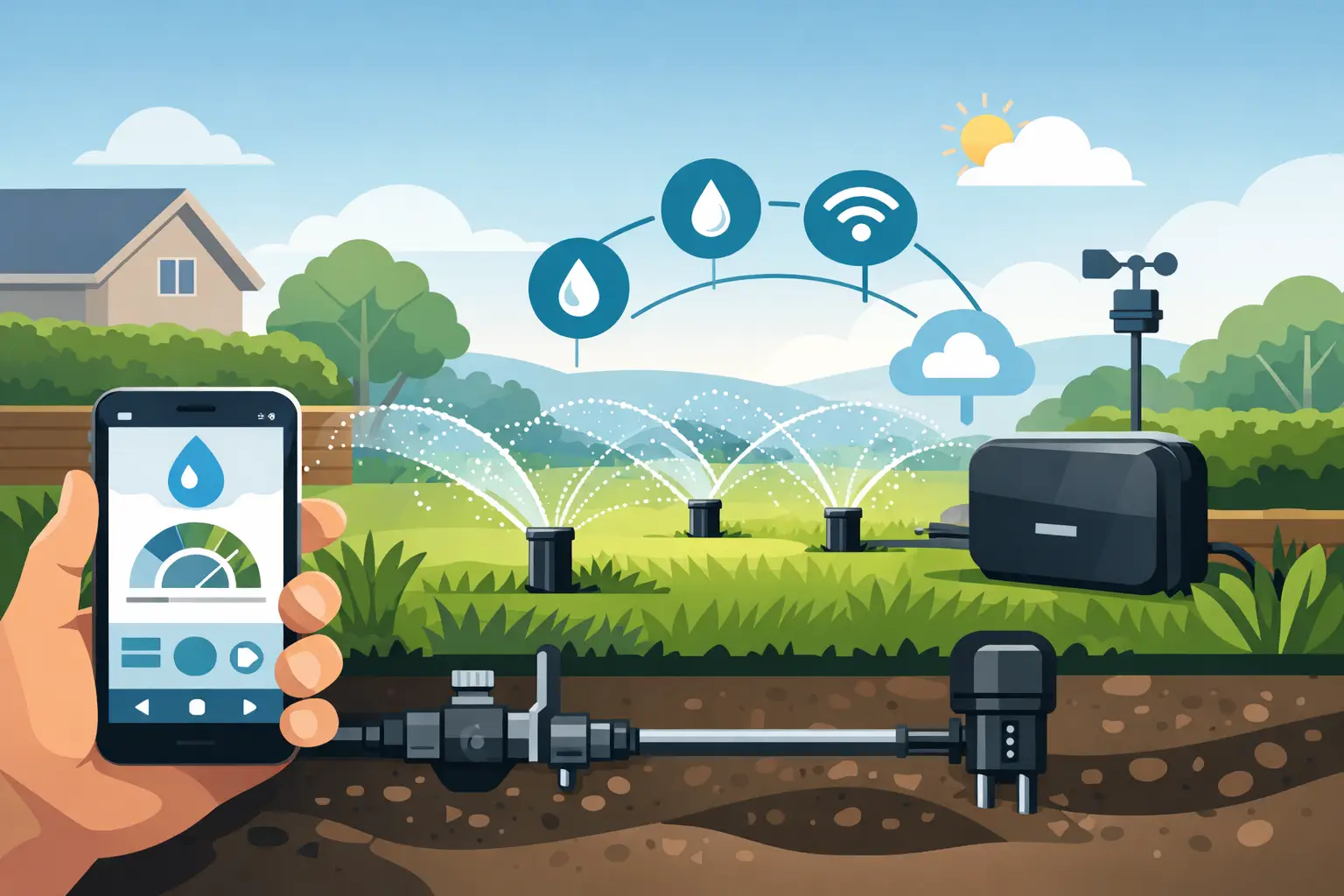
A lawn usually tells on the irrigation system before the homeowner does. One area stays soggy, another turns brown, and the controller in the garage still runs like every week has the same weather. If you are searching for the best smart lawn irrigation system, the real goal is not just newer hardware. It is getting dependable watering that matches your property, saves water, and takes one more job off your plate.
For most homeowners, a smart irrigation system is worth it when it solves three problems at once: uneven coverage, wasted water, and constant manual adjustments. The best setup does not simply turn sprinklers on from an app. It responds to weather, adjusts run times, and works reliably through the full season.
What makes the best smart lawn irrigation system
The best smart lawn irrigation system is the one that waters your lawn accurately without making you babysit it. That sounds simple, but there is a big difference between a smart controller added to an old, poorly designed system and a complete irrigation setup built to work together.
A good system starts with zone design. Lawns, garden beds, sunny areas, shaded sections, and sloped parts of the yard do not all need the same amount of water. Smart technology helps, but it cannot fix heads that are spaced incorrectly, poor pressure, clogged nozzles, or zones that were never designed properly in the first place.
After layout, the controller matters most. A true smart controller uses local weather data, seasonal changes, and scheduling logic to adjust watering automatically. That means less overwatering after rain, less stress during hot stretches, and better consistency than a basic timer. The strongest systems also make it easy to review schedules, pause watering, and spot issues before they become lawn damage.
Smart features that actually matter
Homeowners often get sold on app control first. App access is useful, but it should not be the main reason you choose a system. The features that make a real difference are weather-based adjustments, flexible zone scheduling, and dependable sensor integration.
Weather responsiveness is what separates a smart controller from a standard one. If the system can skip watering after rain, reduce runtime during cooler periods, and increase it during heat, you save water without sacrificing turf health. That is especially useful in places where weather can change quickly over the course of a week.
Zone-by-zone control is just as important. Front lawns, backyards, narrow side yards, and planting beds all dry out differently. If every zone gets the same schedule, some areas are almost guaranteed to get too much or too little water. Better controllers allow fine-tuned adjustments so each area gets what it needs.
Sensor compatibility also matters. Rain sensors, soil moisture sensors, and flow monitoring can add another layer of protection. Not every property needs every add-on, but a system that can work with these tools gives you more control and better long-term performance.
Why the “best” system depends on your yard
There is no single answer for every home. The best smart lawn irrigation system for a compact city lot is not always the right fit for a larger property with multiple lawn zones, gardens, and varying sun exposure.
If your yard is smaller and already has decent pipe layout and sprinkler coverage, upgrading the controller may be enough. In that case, smart scheduling can improve efficiency without a full system replacement. This is often the most cost-effective option for homeowners whose main issue is outdated controls rather than failing infrastructure.
If your system is older, inconsistent, or prone to repairs, a controller upgrade alone may not deliver the results you expect. Smart technology cannot correct broken heads, pressure problems, leaking valves, or poor coverage patterns. In those cases, the better investment is usually a broader upgrade that improves both control and physical performance.
That is where professional evaluation matters. A property with shade, clay soil, slopes, or mixed landscaping needs a plan that fits those conditions. Otherwise, even premium equipment can underperform.
Controller upgrade or full smart system?
This is one of the most common decisions homeowners face. If you already have in-ground sprinklers, you may not need to start from scratch. A smart controller retrofit can modernize an existing system if the rest of the components are still in good shape.
A controller upgrade makes sense when your sprinkler heads are working properly, zones are laid out well, and your main frustration is manual scheduling. You get better control, weather-based watering, and more convenience without replacing everything underground.
A full smart irrigation system is the better choice when the existing setup has recurring issues. Maybe coverage is uneven, certain zones never perform properly, or repairs keep adding up. In those cases, installing a new system designed around your property usually brings better value than repeatedly patching an older one.
For many homeowners, the right answer is somewhere in the middle. A targeted upgrade might include a smart controller, replacement heads, nozzle changes, valve repairs, and adjustments to improve zone performance. That approach can deliver strong results without the cost of a full rebuild.
Reliability matters more than flashy features
It is easy to get distracted by brand names, app screenshots, and extra features that sound impressive. But for most homeowners, reliability is what matters after the first week. The best smart lawn irrigation system should run consistently, handle seasonal changes well, and be easy to service when needed.
That includes dependable wiring, clean valve operation, correct pressure, properly aligned heads, and a controller that is programmed correctly from day one. A system that looks advanced but waters poorly is not smart. It is just expensive.
Ease of maintenance is another part of reliability. Seasonal startups, winterization, repairs, and periodic adjustments are not optional if you want long-term performance. A good system should be built so those services are straightforward, not a guessing game every spring.
Water savings are real, but only when the system is set up right
A smart irrigation system can reduce water waste, but homeowners should keep realistic expectations. The savings do not come from the word smart on the box. They come from accurate scheduling, proper zone design, and a system that reacts to actual conditions.
If your current controller waters after heavy rain, runs the same schedule in May and July, or soaks shaded areas as much as full-sun turf, there is usually room for major improvement. Smart controls can cut back on that waste quickly.
At the same time, a smart system will not magically reduce water use if the lawn is being watered inefficiently because of poor coverage or mechanical issues. Overspray onto driveways, misting from bad pressure, and leaking heads can quietly waste a lot of water even with the best controller in place.
That is why professional installation and setup are so important. The technology works best when the system around it is precise.
How to choose the best smart lawn irrigation system for your home
Start with your actual problem, not the product category. If you are tired of manual watering and schedule changes, a smart controller may be enough. If your lawn has dry spots, puddling, weak pressure, or aging components, your focus should be system performance first and smart controls second.
Next, think about long-term ownership. A smart irrigation system is not just an install-and-forget purchase. You want something that can be maintained, adjusted, and serviced over time. That makes local support valuable, especially for seasonal startups, winterization, and repairs.
It also helps to choose a setup that fits your property instead of forcing your property to fit a packaged solution. A professionally designed system gives you a better chance of getting the convenience you want along with the lawn results you expect.
For homeowners who want dependable watering without constant adjustment, working with an experienced installer is often the smartest step. Advanced Irrigation focuses on systems that are built for reliable performance, efficient water use, and easier seasonal care – not just technology for technology’s sake.
The best smart lawn irrigation system should make your yard easier to manage and your results more consistent. If it does that quietly in the background, uses water responsibly, and keeps your lawn looking healthy through the season, it is doing exactly what it should.