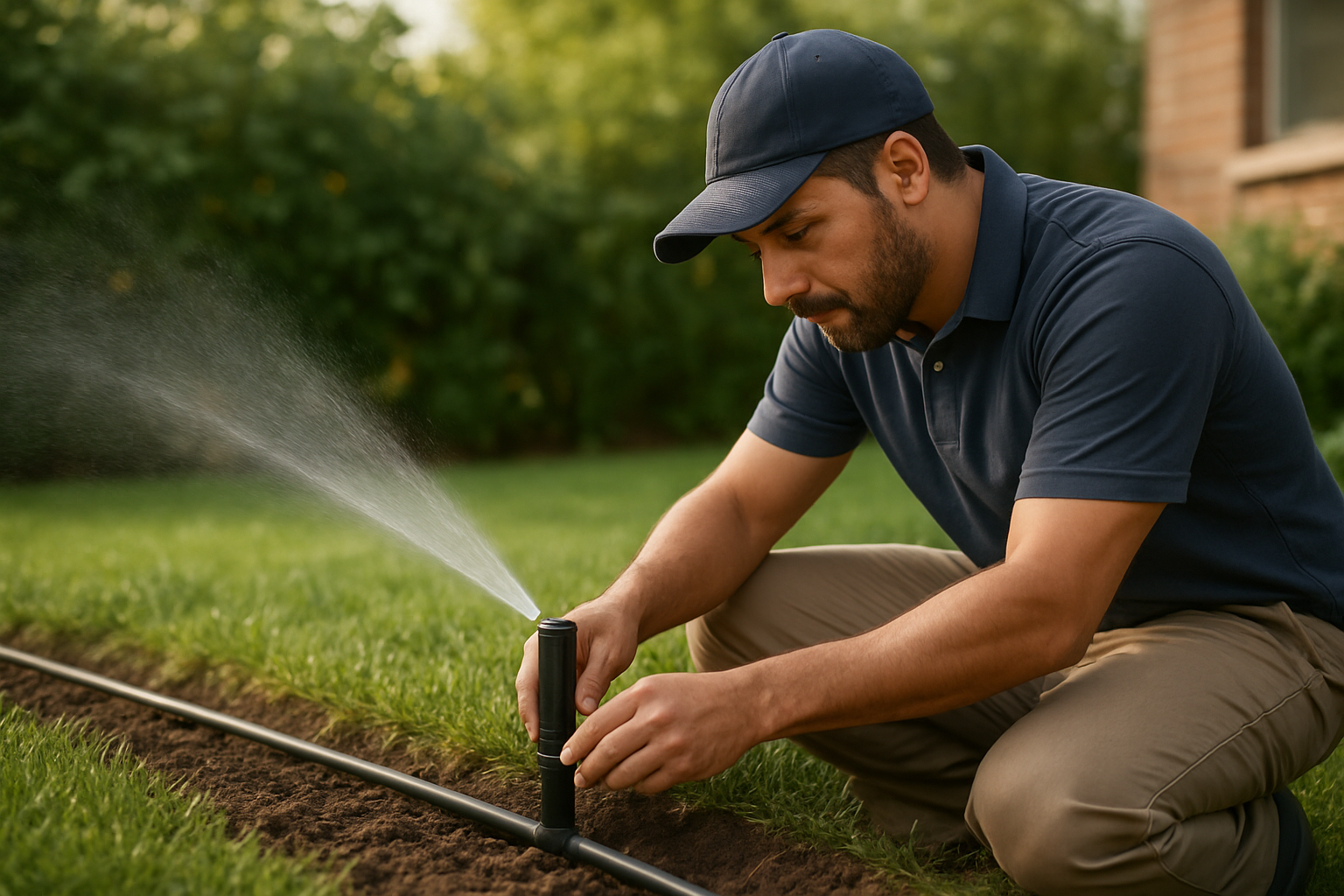
Opening: Why every Ottawa homeowner should understand their underground sprinkler systems
A healthy lawn starts with a reliable irrigation system — and for most Ottawa properties that means underground sprinkler systems. Whether you inherited your system with the house, installed it years ago, or are considering a new setup, knowing how these systems work, what components wear out, and the signs that indicate replacement is due will save you money, prevent landscape damage, and help plan upgrades on your timetable and budget. This primer, based on more than 20 years of hands-on experience in Ottawa Ontario Canada, walks homeowners through components, typical lifespans, common failure modes, and clear replacement indicators.
Main components of an underground sprinkler system
Understanding the major parts helps you interpret problems and assess repair vs replacement decisions. Below are the components you’ll find in most residential systems.
Controller (irrigation clock / controller)
The controller is the brain. It schedules zones, run times and can interface with weather sensors or smart-home systems. Controllers range from basic digital timers to Wi-Fi-enabled smart controllers that adapt to weather and soil conditions.
Valves and valve manifolds
Electric solenoid valves open and shut water flow to each zone. Valves sit in valve boxes and are often the most serviceable component of an underground system.
Pipes: mains and laterals
Main lines (often PVC) carry water from the source to the manifold; lateral or distribution lines (PVC or polyethylene) deliver water to each sprinkler head. Proper pipe size and layout affect pressure and uniformity.
Sprinkler heads and nozzles
Heads control spray patterns, precipitation rates and coverage. They include pop-up spray heads, rotors, and drip emitters. Nozzles determine throw distance and distribution.
Backflow preventer and pressure regulation
Backflow devices protect the municipal water supply from contamination and are often required by local regulations. Pressure regulators protect heads and valves from high pressure damage.
Sensors and accessories
Rain sensors, soil moisture sensors, and flow meters provide feedback to conserve water and detect leaks. Wire and connectors carry the control signal from the controller to valves and sensors.
Expected lifespans: realistic numbers for Ottawa conditions
Lifespans vary by material quality, installation, soil conditions, and maintenance. Use these ranges to plan phased replacements and budgets.
- PVC mains and fittings: 25–50+ years. Quality PVC buried and protected from freeze-thaw failures will last decades, but pasted or poorly joined fittings shorten life.
- Polyethylene lateral lines: 25–40 years. Flexible and forgiving, but susceptible to root encroachment in certain soils.
- Sprinkler heads and nozzles: 5–15 years. Plastic heads degrade under UV and through wear; metal components last longer but can corrode.
- Zone valves (solenoids): 7–15 years. Solenoids and diaphragms wear with cycling and water quality; frequent cycling reduces life.
- Controller/electronics: 7–12 years. Electronics can be updated sooner for smart features; exposure to moisture and power surges shortens life.
- Backflow preventer: 5–15 years depending on make, materials, and local code-mandated testing and repairs.
- Wiring and connectors: 10–30 years. Rodent damage, moisture ingress and repeated thaw-freeze cycles are common causes of failure.
These are guidelines — Ottawa’s freeze-thaw cycles and winter maintenance practices are major factors. Cared-for systems with comprehensive spring start-ups and fall winterization last longer.
Common failure modes and what causes them
Recognizing failure patterns helps homeowners know when a simple repair will do and when component replacement is more cost-effective.
Freeze damage
Water left in pipes or valves over winter can freeze and crack PVC, pop fittings, or destroy valves. In Ottawa, inadequate winterization is a leading cause of spring failures.
Root intrusion and mechanical damage
Tree roots can displace pipes or break fittings. Mechanical cuts from landscaping or construction equipment, and edging with metal blades, also cause leaks.
Corrosion and sediment buildup
Hard water and municipal sediment can clog nozzles, erode valve seats and corrode metal components like backflow preventers. Corrosion often manifests as slow leaks or reduced spray distance.
Electrical failures
Shorted wires, corroded connectors, and failed solenoids cause zones that won’t open or close. Symptoms include zones stuck on, zones not activating, or intermittent operation.
Wear and UV degradation
Plastic heads become brittle and may crack; nozzle threads strip; seals and diaphragms lose flexibility leading to leaking valves or poor distribution.
Poor design and pressure issues
Undersized mains, incorrect head spacing, or unregulated pressure cause uneven coverage, misting (wasteful) or short throw. Upgrading to modern zone layouts and pressure-regulated heads can restore uniformity and efficiency.
When to repair, when to replace: practical decision criteria
Not every issue requires a full replacement. Use these criteria to decide between targeted service, phased upgrades, or full system replacement.
Repair these common problems
- Single-zone valve leaks or failed solenoids — replace valve or solenoid if isolated.
- Broken or clogged heads — replace heads or nozzles and adjust spacing.
- Minor pipe leaks accessible via localized excavation — repair section of lateral or fitting.
- Controller or sensor replacement for added smart features or failed electronics.
Consider replacement when:
- The system is older than 20–25 years with recurring failures across multiple components.
- There are widespread leaks or cracked mains indicating material fatigue or freeze damage.
- Repeated repairs in different zones exceed 30–50% of replacement cost for those components — at that point replacement yields better long-term value.
- Coverage is poor due to outdated head types or improper design that can’t be corrected by piecemeal fixes.
- You want major feature upgrades (smart controllers, flow monitoring, pressure regulation, water-saving drip zones) and the existing layout makes integration impractical.
Simple cost comparison approach
Estimate repair cost vs replacement cost over a 10-year horizon. If annualized repair costs approach or exceed the annualized cost of a replacement system (including the value of reduced water use and fewer service calls), replacement is often justified. Your local irrigation professional can provide a line-item quote and replacement schedule tailored to your property.
Ottawa-specific considerations: climate, codes and maintenance
Local factors heavily influence lifespans and service needs. As an Ottawa homeowner, plan around these realities.
Winterization is non-negotiable
Proper fall winterization (blowing out lines using compressed air or draining systems where appropriate) prevents freeze damage. Every year, many spring service calls in Ottawa are due to missed or improper winterization.
Backflow testing and municipal requirements
Ottawa and many Ontario municipalities require backflow preventers to be tested annually by a certified tester. Failure to comply can risk fines and contamination liability.
Water quality and hard water
Ottawa’s municipal water has minerals that can build up, so expect more frequent nozzle and valve maintenance than in soft-water regions. Consider nozzles with easier cleaning or filters where municipal supply is particulate-heavy.
Budgeting and planning upgrades: examples and ballpark costs (Ottawa CAD)
Costs vary based on property size, soil complexity, and component quality. Below are typical ranges to help you plan.
- Minor repairs (head replacement, solenoid swap): $75–$200 per fix.
- Valve replacement (single): $200–$500 installed.
- Zone lateral repairs (localized excavation): $300–$1,200 per zone depending on depth and complexity.
- Controller replacement (standard to Wi‑Fi smart): $300–$900 installed.
- Backflow device replacement: $400–$1,200 depending on type and whether reconfiguration is required.
- Full system replacement (average suburban lot): $6,000–$18,000+, depending on heads, zones, pressure regulation, and whether drip irrigation is included.
Phased upgrades make the cost manageable: prioritize fixing leaks and replacing failing valves, then update controllers and head technology in subsequent seasons. Also consider that modern high-efficiency nozzles and smart controllers can reduce water use 20–40%, offsetting some operating costs.
Practical tips for Ottawa homeowners: maintenance checklist and red flags
Simple seasonal habits prolong life and reduce emergency service calls.
Spring and summer checklist
- Schedule a professional spring start-up to test valves, adjust heads and confirm coverage.
- Inspect for wet spots, soggy soil, or unusually high bills — early signs of leaks.
- Replace worn nozzles and adjust heads for proper overlap to avoid run-to-waste.
Fall and winter checklist
- Book professional winterization; ensure lines are properly blown out and backflow is protected from freezing.
- Confirm backflow preventer is drained or winterized per manufacturer guidance.
Red flags that mean call a pro
- Zones won’t shut off or won’t turn on at all — possible valve or wiring failure.
- Large wet areas in the lawn without irrigation running — likely a broken main or lateral.
- Consistent low pressure across multiple heads — suspect mainline restriction or pressure issue.
- Repeated spring failures after winter — indicates systemic freeze damage requiring broader replacement.
Conclusion: A practical plan for homeowners
Underground sprinkler systems are durable but not indestructible. Understanding components, realistic lifespans, and typical failure modes lets Ottawa homeowners make informed decisions that prevent costly damage and optimize water use. Start with regular seasonal maintenance — professional spring openings and fall winterization are the best investments for longevity. Use the repair-vs-replace criteria above to guide larger decisions, and consider phased upgrades to spread costs while improving efficiency.
If you suspect your system needs attention, schedule a professional inspection. Advanced Irrigation Systems has more than 20 years of experience serving Ottawa Ontario Canada with installations, underground sprinkler repair, spring openings, fall winterization and full-system upgrades. We provide honest assessments and detailed quotes so you can plan upgrades and budgets with confidence.
Ready to assess your system? Book a spring inspection or winterization with a local expert to protect your lawn and your investment.
This article was generated by AI using AIBlogPress.